
In the world of beauty, fashion, and fragrance, the word “dupe” used to come with a hint of shame. A dupe—short for duplicate—was once seen as the “knockoff” version of something coveted, a budget-friendly imitation for those who couldn’t afford the real deal. But somewhere along the way, dupes evolved. They became smarter, better formulated, more innovative—and in some cases, so beloved that they transcended their “copycat” label entirely.
Today, many dupes aren’t just alternatives; they’re icons in their own right. From drugstore beauty products that outperform luxury originals to affordable handbags that became fashion staples, these dupes have proven that inspiration can spark originality. Let’s explore the fascinating world of dupes that became cult favorites—and why consumers now celebrate them as equals, not imitators.
The Evolution of the Dupe Economy
Before diving into the products themselves, it’s worth understanding why dupes have gained such cultural traction. Social media—especially platforms like TikTok, Reddit, and YouTube—played a massive role in normalizing and even glamorizing dupes. “Dupe culture” has become a shared language for savvy shoppers.
In the early 2010s, beauty bloggers and YouTubers began doing side-by-side comparisons—showing how a $10 drugstore lipstick looked identical to a $50 designer one. Fast forward to today, and TikTok has taken that phenomenon mainstream. A single “#dupe” video can send a product viral overnight, leading to sold-out shelves and cult-level fandom.
But beyond affordability, dupes have also tapped into a deeper consumer desire: democratization. They represent accessibility without compromise. They prove that good design, quality ingredients, and clever branding aren’t the sole domain of luxury brands anymore.
Beauty Dupes That Outshone Their Originals
1. The Ordinary’s Niacinamide 10% + Zinc 1%
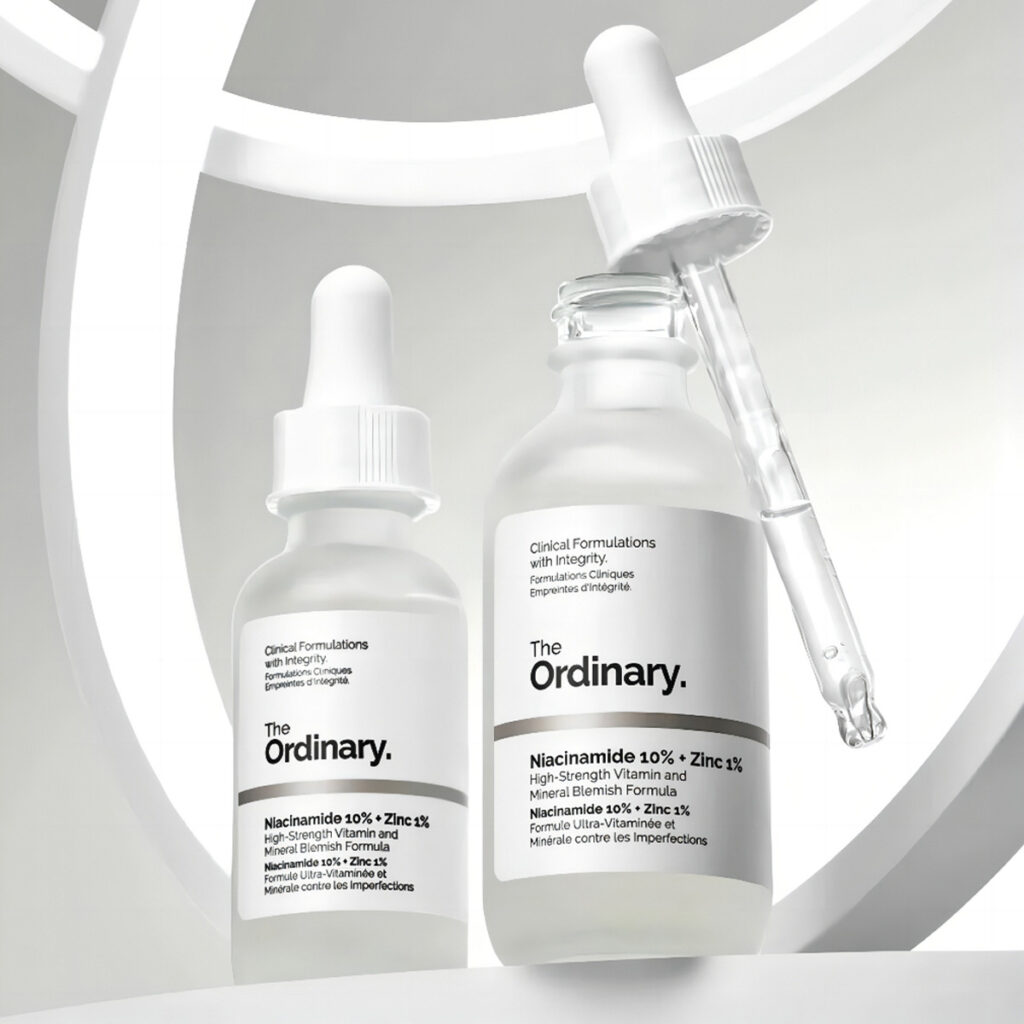
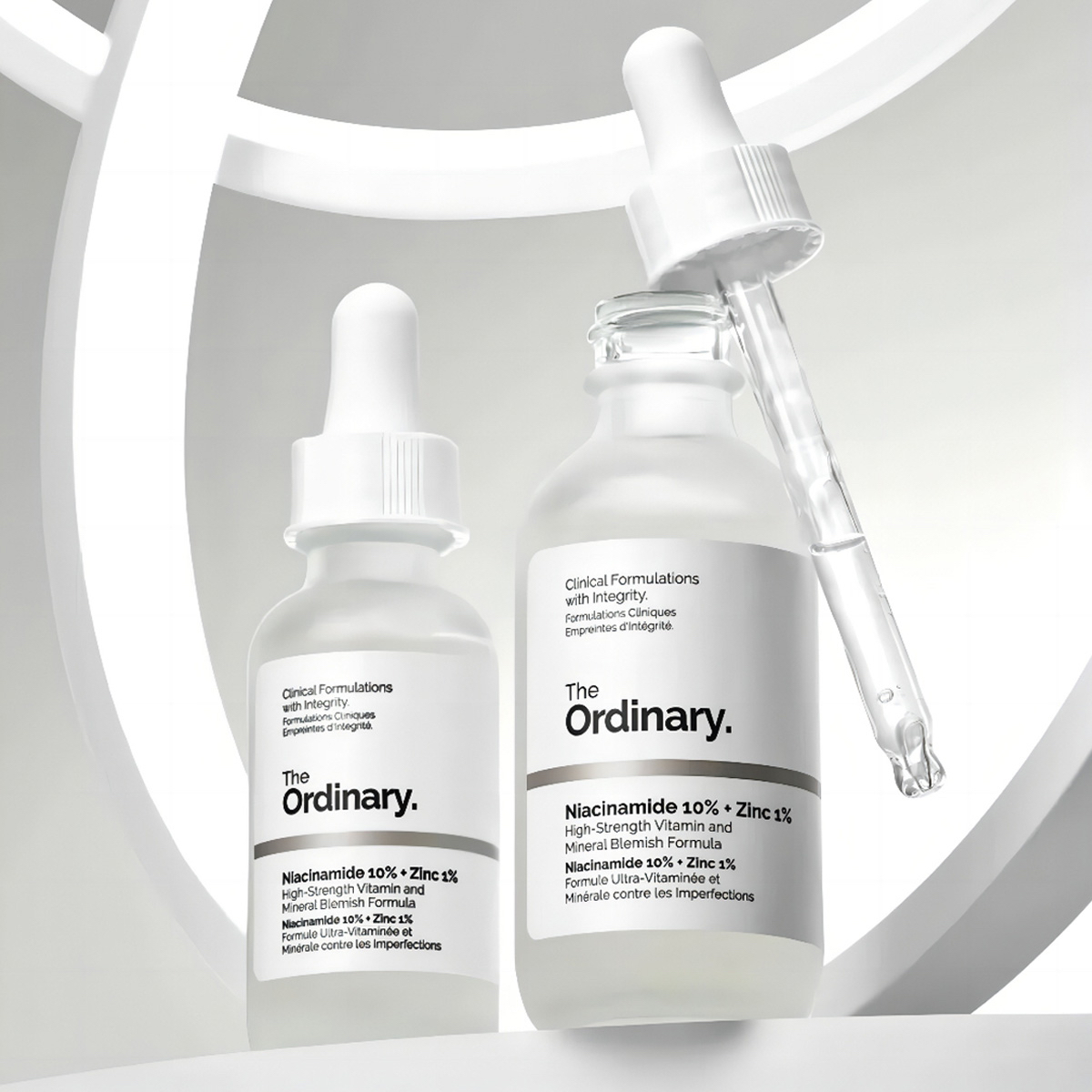
Originally compared to pricier serums from brands like Paula’s Choice or Drunk Elephant, The Ordinary’s Niacinamide became a global sensation for its straightforward formulation and shockingly low price.
Unlike many luxury serums wrapped in fancy packaging, this $6 bottle offered clinical-level results without the fluff. It didn’t just mimic—it led the movement toward ingredient transparency. Soon, “simple but effective” became the new luxury, and The Ordinary became a skincare philosophy as much as a brand.
2. Elf Halo Glow Liquid Filter
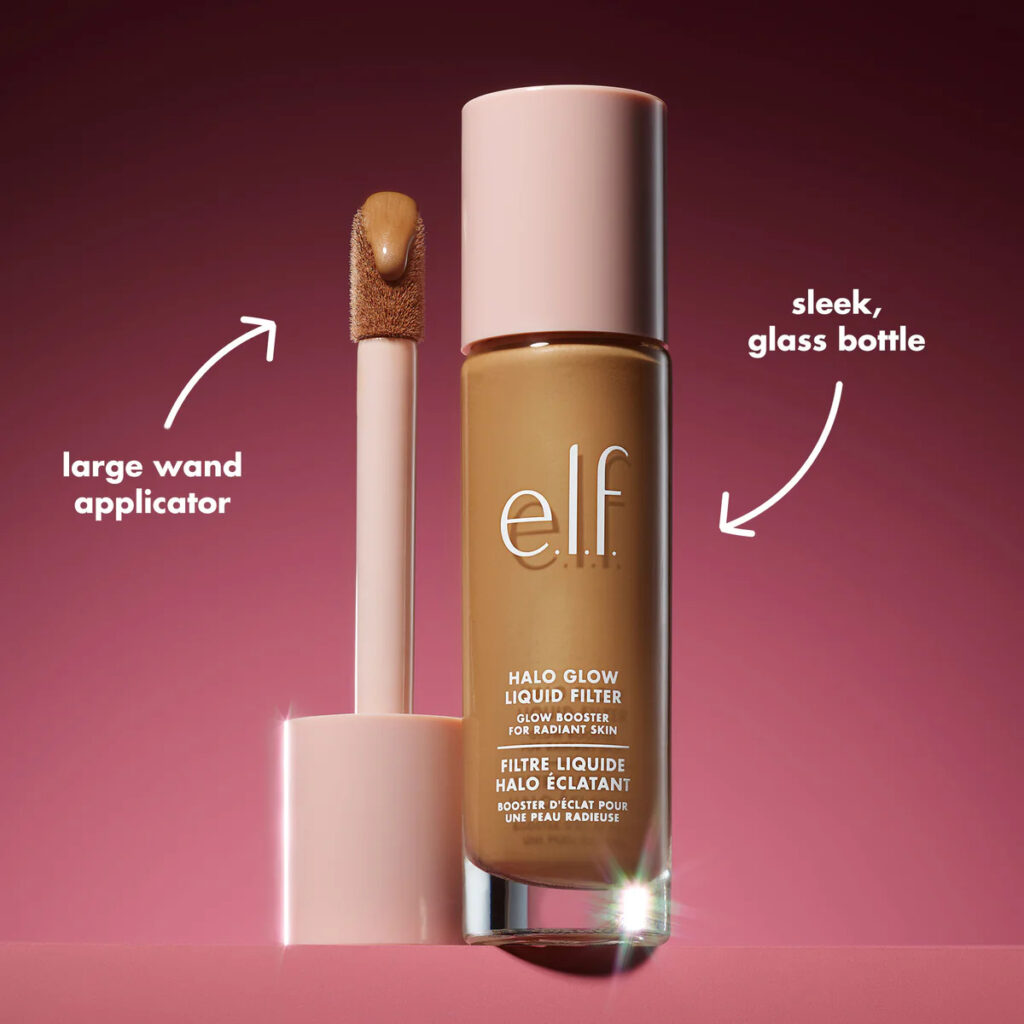
When TikTok beauty creators discovered that Elf’s Halo Glow Liquid Filter was nearly identical to Charlotte Tilbury’s Hollywood Flawless Filter, the internet went wild. But what’s more remarkable is how Elf turned the dupe moment into a triumph.
The brand didn’t shy away from the comparison—it embraced it, positioning Halo Glow as an inclusive, everyday glow booster for all skin tones. The formula’s lightweight radiance and buildable coverage made it a viral favorite on its own merit. Today, many users prefer it over the luxury version, citing its smoother texture and wider shade range.
3. Maybelline Sky High Mascara
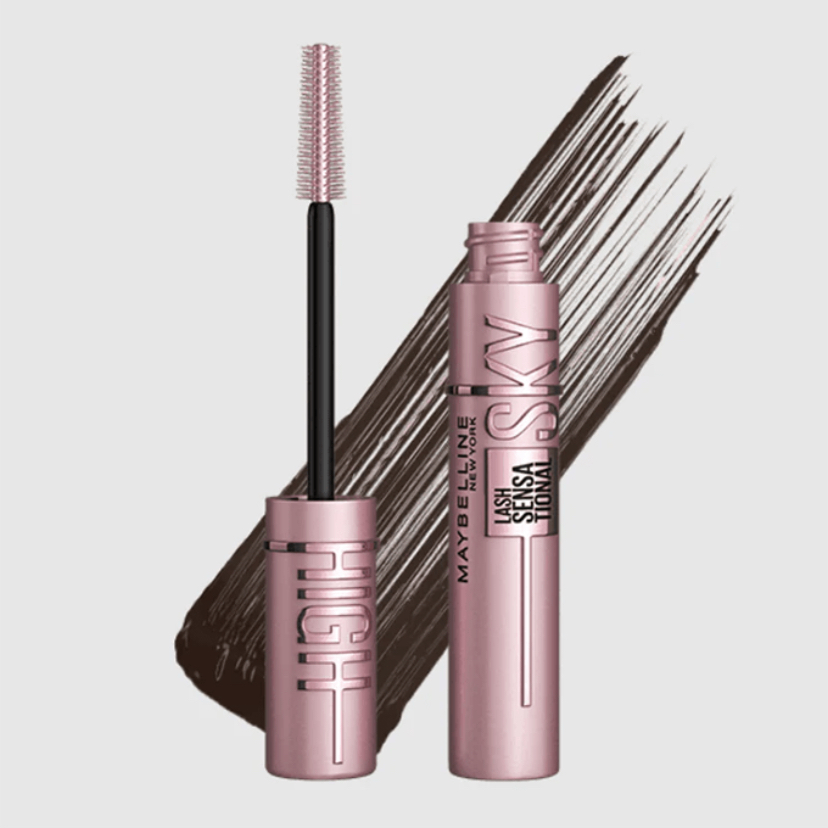
Initially compared to Too Faced’s Better Than Sex Mascara, Maybelline’s Sky High became an instant hit on TikTok for its ability to lift, lengthen, and volumize lashes with zero clumps.
But unlike other short-lived viral dupes, Sky High had staying power. Its sleek pink tube and flexible brush design resonated with both budget shoppers and beauty editors. It wasn’t just a dupe—it became a makeup bag essential that redefined what a $13 mascara could achieve.
Fragrance Dupes That Defined Their Own Legacy
4. Zara Red Temptation (the Baccarat Rouge dupe)
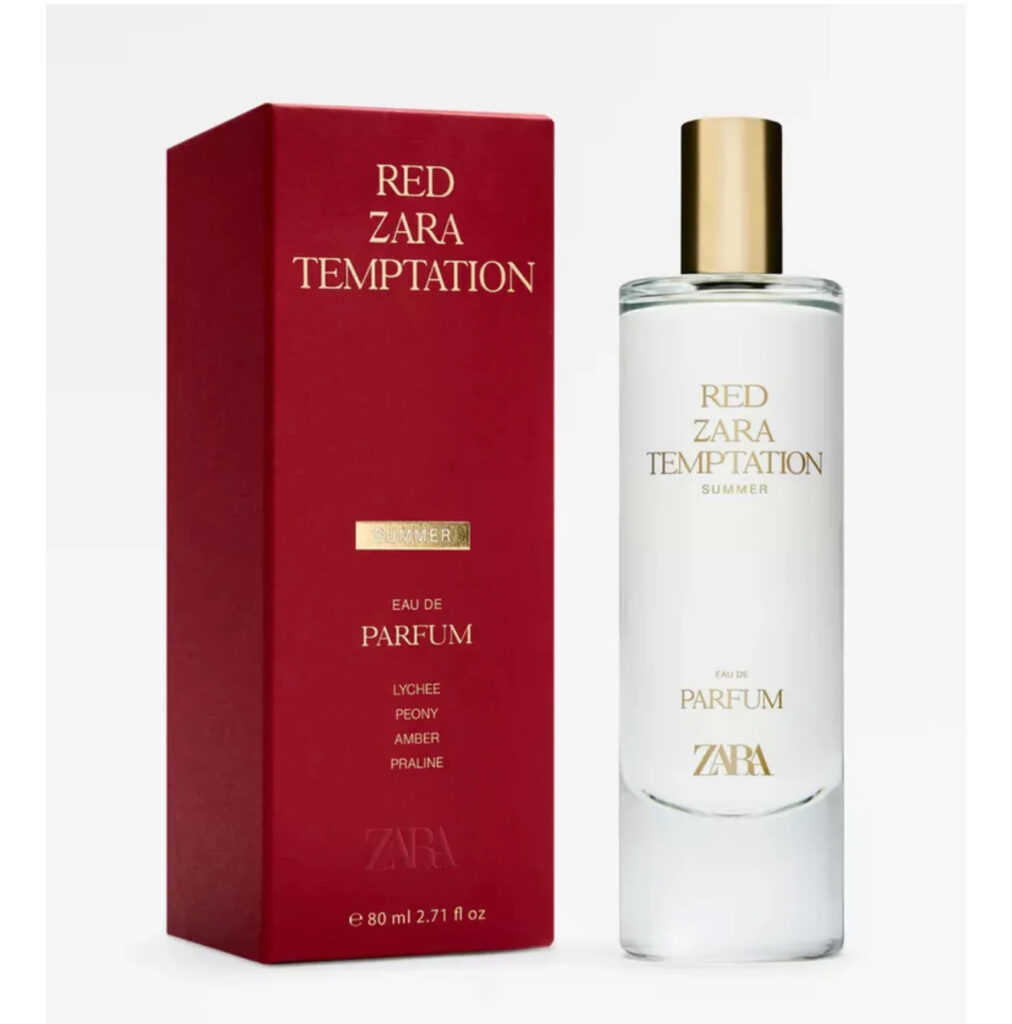
When Maison Francis Kurkdjian’s Baccarat Rouge 540 became the ultimate status scent, its $300+ price tag kept it out of reach for many. Enter Zara’s Red Temptation.
At around $30, it captured the same warm, amber-woody DNA—but with its own twist. Consumers praised its wearable, everyday version of luxury. Red Temptation’s success proved that dupes could democratize even the most exclusive olfactory experiences. In fact, Zara has since expanded its entire perfume line, with many scents earning cult followings that rival designer perfumes.
5. Dossier’s Perfume Line
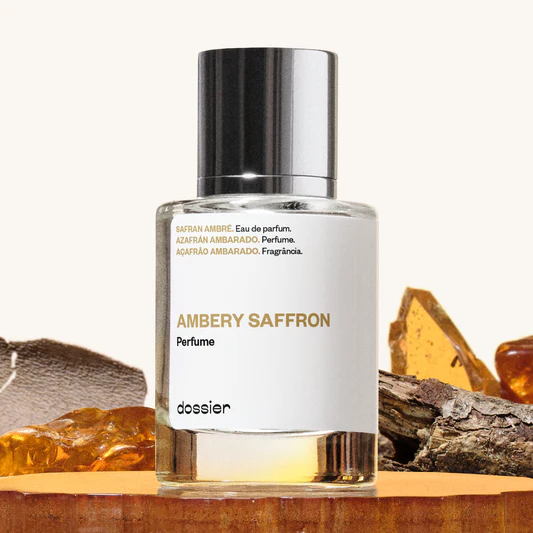
What began as a company making “dupes” for high-end fragrances like Tom Ford and YSL soon became a serious player in the perfume world. Dossier flipped the dupe script: instead of pretending to be luxury, it celebrated transparency. Each bottle lists both the inspiration and key notes, empowering consumers to choose based on preference, not prestige.
The result? A loyal customer base that praises Dossier for its cruelty-free ethos, clean ingredients, and minimalist aesthetic. For many, these aren’t just “alternatives”—they’re the main event.
Makeup and Fashion Crossovers
6. Glossier Cloud Paint vs. Rare Beauty Soft Pinch
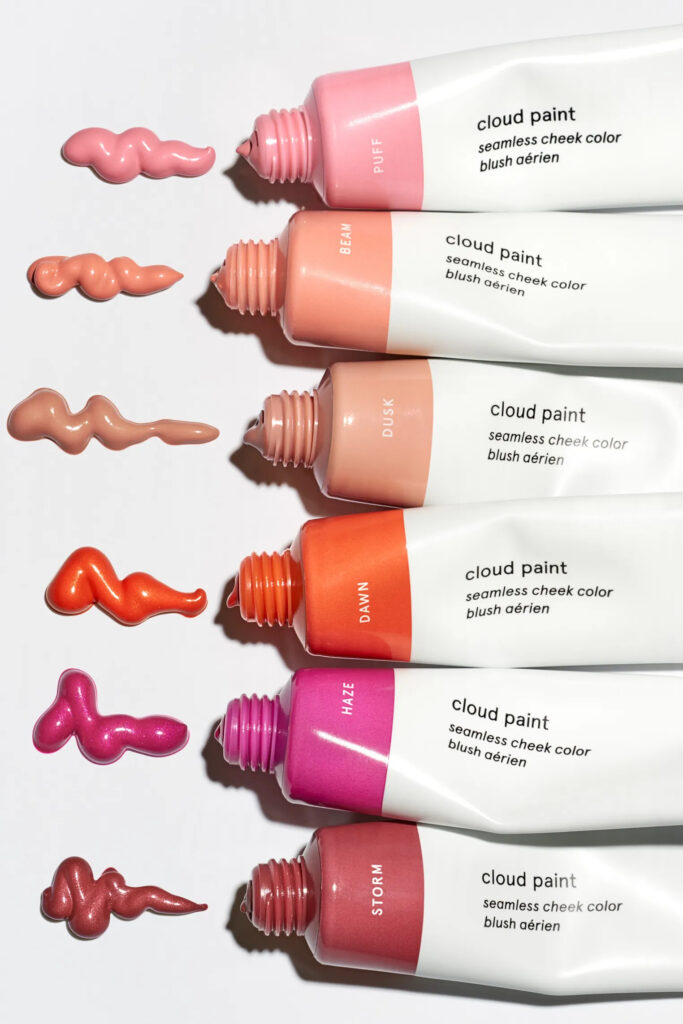
When Glossier launched Cloud Paint, it set the bar for natural, sheer blushes. Later, Rare Beauty’s Soft Pinch Liquid Blush entered the scene—initially dubbed a “Cloud Paint dupe.”
But Rare Beauty didn’t stay in Glossier’s shadow for long. Its intense pigment, long wear, and empowering branding (courtesy of Selena Gomez’s message of self-acceptance) gave it a life of its own. Now, both blushes coexist as cult favorites, appealing to different audiences—proof that even the “original” can inspire something equally iconic.
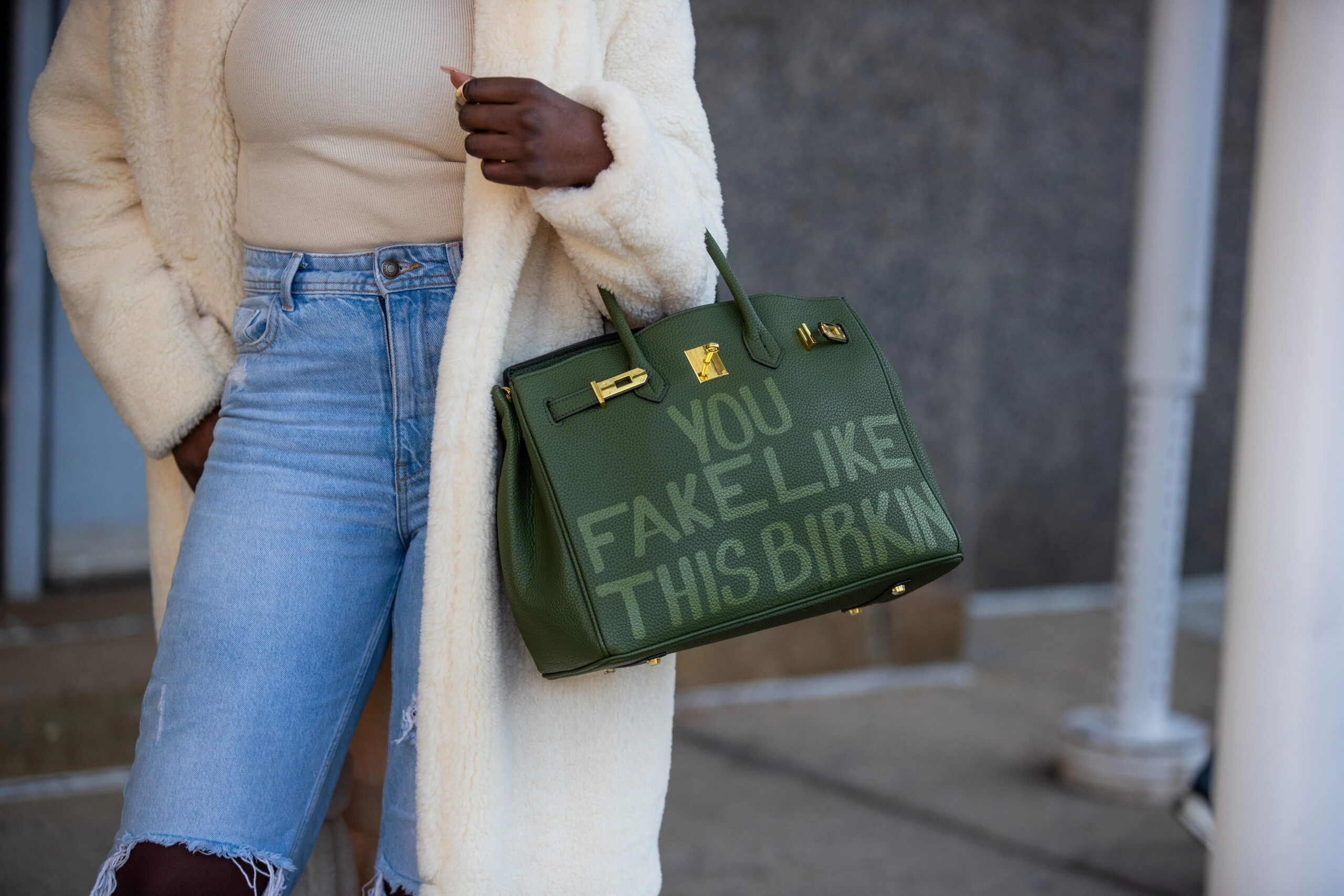
7. JW PEI Gabbi Bag
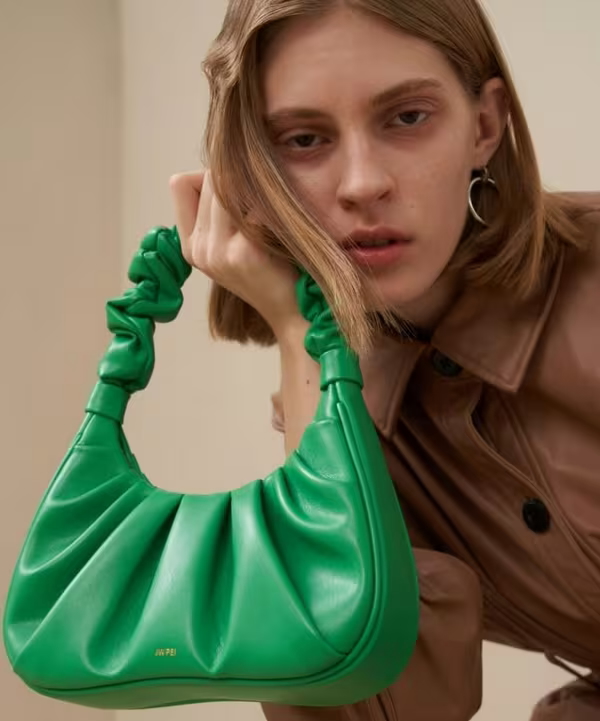
The JW PEI Gabbi Bag started as a dupe for Bottega Veneta’s ruched pouch, but it soon became a celebrity favorite—spotted on everyone from Hailey Bieber to Megan Fox.
The vegan leather bag captured the soft, sculptural silhouette that defined modern minimalism, but with an ethical twist. Its affordability and sustainability transformed it into a millennial and Gen Z wardrobe staple. Today, it’s the bag that proves being inspired doesn’t mean being derivative.
Skincare Standouts That Broke the “Budget” Mold
8. CeraVe Moisturizing Cream
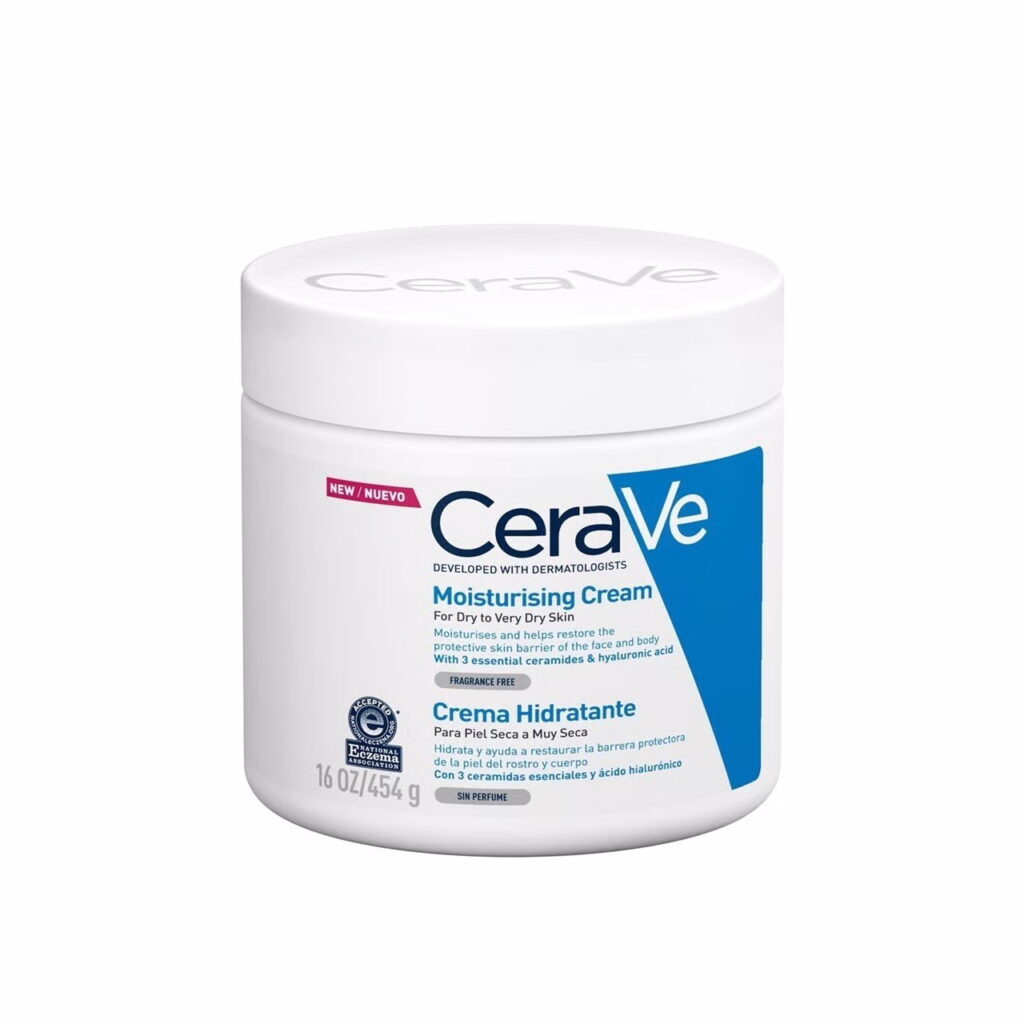
Once compared to La Mer’s iconic Crème de la Mer, CeraVe’s Moisturizing Cream quickly gained dermatologist approval—and a loyal cult following—for its barrier-repairing ceramide formula.
It’s now a mainstay in both drugstore aisles and luxury skincare routines. The brand’s clinical approach, coupled with affordability, turned it from a “La Mer dupe” into the gold standard for everyday hydration.
9. La Roche-Posay Toleriane Cleanser
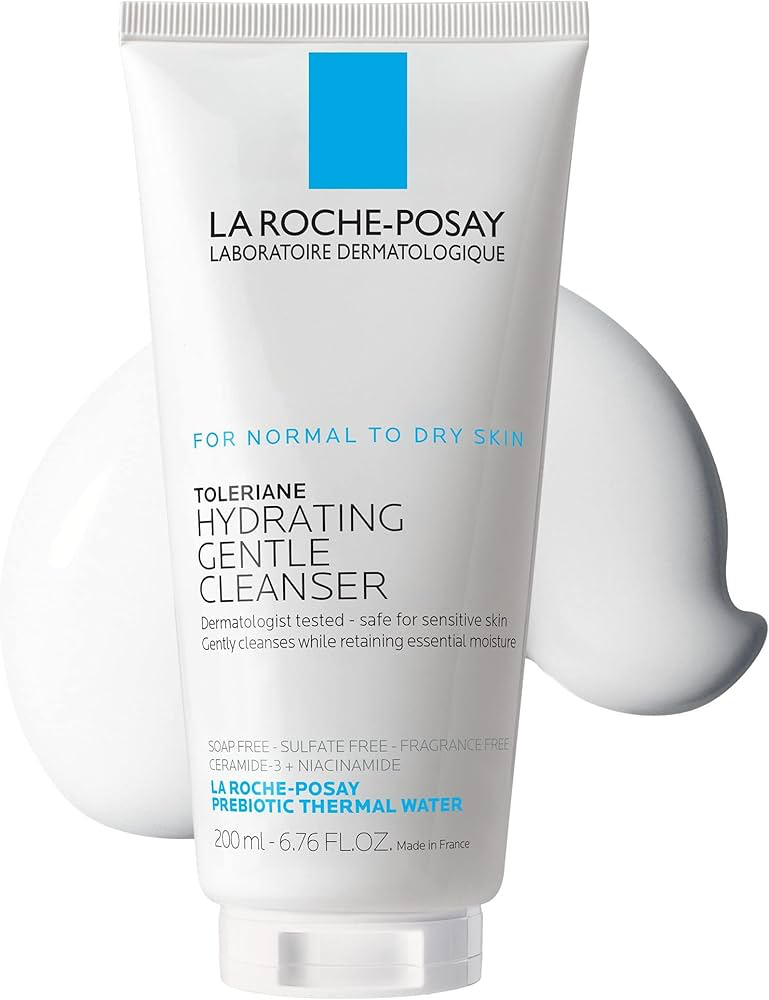
Similarly, La Roche-Posay’s Toleriane Hydrating Cleanser began as a gentle dupe for higher-end cleansers like Fresh or Drunk Elephant. But thanks to its dermatologist-tested formula and soothing thermal water base, it’s now considered a hero product for sensitive skin.
The rise of science-backed skincare made this French pharmacy staple a household name, reminding consumers that luxury is sometimes just good formulation and trust.
The Psychology Behind Why Dupes Go Viral
So what makes a dupe more than just a cheaper copy? It’s not only the price—it’s the perception of value.
Modern consumers are smart, discerning, and socially connected. They want to feel like they’ve “hacked” the system—found a $12 lipstick that delivers the same satisfaction as a $45 one. That moment of discovery is powerful; it taps into emotion, identity, and belonging.
Moreover, dupe culture aligns perfectly with today’s values: transparency, accessibility, and authenticity. When influencers and everyday users share their “holy grail dupes,” they create a sense of shared empowerment. It’s no longer about showing off what you can afford; it’s about showing what you know.
When the Dupe Becomes the Blueprint
Interestingly, we’re now seeing a reversal in roles: luxury brands drawing inspiration from affordable hits. For instance, minimalist packaging trends and ingredient-led marketing—once unique to brands like The Ordinary and Glossier—have been adopted by luxury houses trying to appear more “authentic” and relatable.
In fashion, brands like Prada and Miu Miu have incorporated youthful, accessible aesthetics that echo what fast-fashion brands popularized first. Dupes, in essence, are setting trends, not just following them.
The Ethics of Dupes: A Quick Note
Of course, it’s important to acknowledge that not all dupes are created ethically. There’s a difference between inspired by and copied from. Intellectual property laws protect original designs and formulations, and counterfeit goods remain a serious issue in fashion and beauty.
However, legitimate dupes that interpret trends without infringing on trademarks—such as similar color palettes, textures, or silhouettes—exist in a grey but acceptable space. Many brands today thrive precisely because they reinterpret rather than replicate.
The Future of Dupes: Democratization Over Duplication
As consumer consciousness continues to evolve, the dupe movement is shifting toward innovation through accessibility. Brands are learning that “affordable” no longer has to mean “cheap.”
Expect to see more collaborations between influencers, indie labs, and sustainable manufacturers—creating products that blend high-end aesthetics with real-world usability. The next generation of dupes won’t just compete on price; they’ll compete on purpose.
From refillable packaging to clean ingredients, the dupe economy is becoming part of a larger cultural shift toward mindful consumption. It’s not about replacing luxury—it’s about redefining it.
Final Thoughts
What began as a quiet rebellion against exclusivity has become one of the most exciting revolutions in modern consumer culture. Dupes are no longer hidden secrets; they’re celebrated successes. They prove that inspiration can lead to innovation, that affordability can coexist with aspiration, and that sometimes—the “copy” can write its own story.
So the next time you swipe on your favorite drugstore lipstick or spritz that Zara perfume, remember: you’re not settling for less. You’re part of a movement that celebrates smart beauty, inclusive fashion, and the joy of finding your own kind of luxury.

One Comment