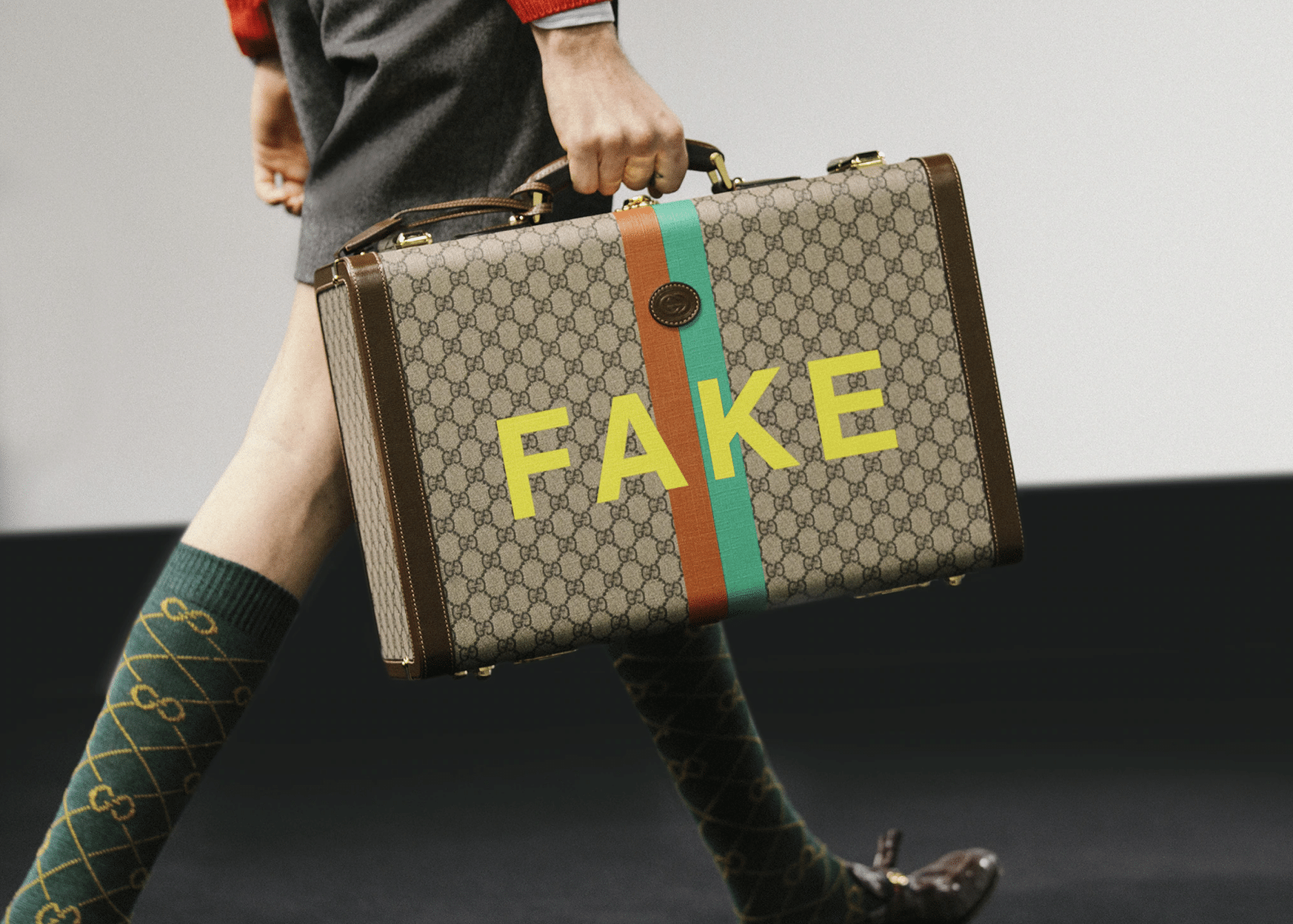
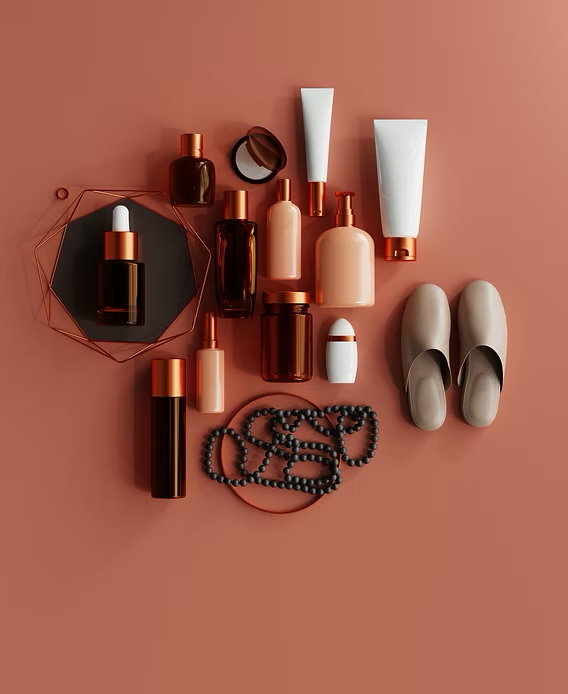
Not long ago, status was easy to spot. It came with a recognizable logo, a luxury price tag, and the quiet confidence that you’d “made it” because you could afford the real thing. Today, that definition is quietly — and sometimes loudly — being rewritten. Scroll through TikTok, Instagram, or even a well-curated living room, and you’ll notice something interesting: people aren’t hiding their dupes anymore. They’re celebrating them.
So the question is no longer “Is it real?” but rather “Is it a good dupe?” Now, knowing where to find the best alternative may carry as much cultural capital as owning the original. In many circles, dupes aren’t a compromise — they’re a flex.
From Quiet Luxury to Clever Luxury
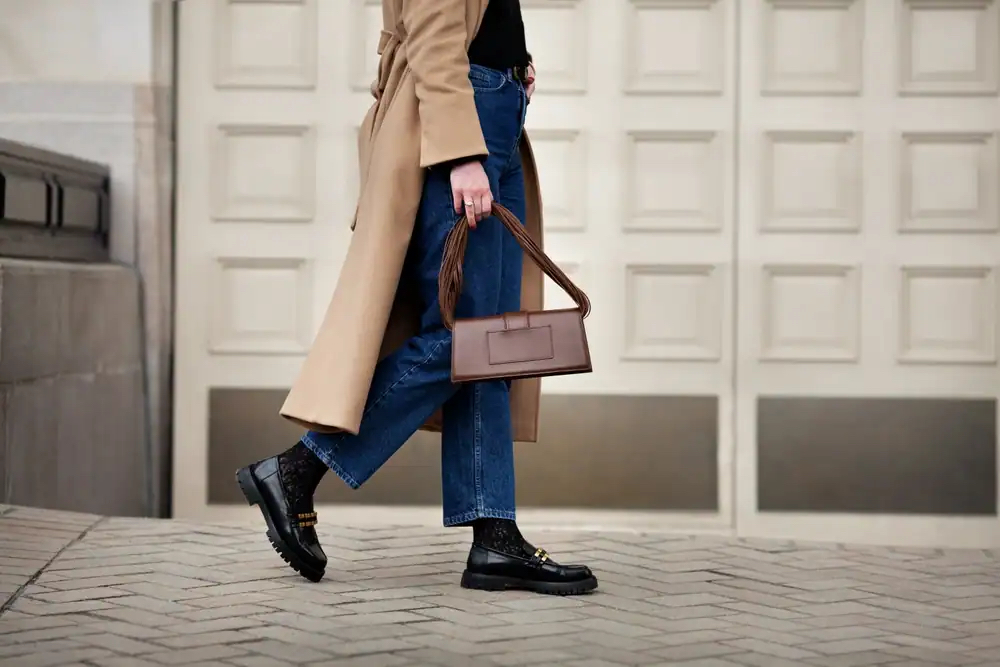
For decades, luxury status was rooted in scarcity and price. The fewer people who could afford it, the more desirable it became. But the rise of social media, resale culture, and financial transparency has shifted how people perceive wealth and taste. Flaunting a $5,000 bag or a $300 face cream no longer guarantees admiration — in fact, it can sometimes invite skepticism.
Modern consumers, especially Millennials and Gen Z, are more informed and more critical. They understand markups, branding, and manufacturing realities. They know that many luxury products are made in the same factories, using similar materials, as their more affordable counterparts. That knowledge has reshaped the narrative. Choosing a dupe can now signal discernment rather than limitation.
In this new landscape, status isn’t about spending the most — it’s about spending smart.
Dupes as a Signal of Taste, Not Budget
One of the biggest misconceptions about dupes is that they’re only about saving money. In reality, the modern dupe conversation is much more nuanced. The most admired dupes aren’t random knock-offs — they’re carefully researched alternatives that match the look, feel, performance, or aesthetic of the original.
Knowing which dupe to buy requires time, curiosity, and cultural literacy. You need to understand why the original product is popular, what makes it special, and which elements actually matter. Is it the texture? The silhouette? The ingredient list? The scent profile? People who can answer those questions — and then point you to a $20 or $50 alternative — are often seen as tastemakers.
In that sense, dupes function almost like insider knowledge. They show that you’re plugged in, informed, and not easily swayed by branding alone.
The Rise of “I Could Buy It, I Just Don’t Want To”
There’s a subtle but important shift happening in how people talk about money and consumption. Instead of aspiring to buy luxury at all costs, many consumers now emphasize choice. The sentiment isn’t “I can’t afford it,” but rather “I could afford it, but I choose not to.”
That distinction matters. Choosing a dupe becomes a statement of autonomy. It suggests financial confidence, not insecurity. It says: I understand the value equation, and I’m comfortable opting out of inflated pricing when the difference doesn’t justify the cost.
This mindset aligns with broader cultural trends around intentional living, sustainability, and anti-overconsumption. In an era where excess is increasingly questioned, restraint — paired with good taste — reads as sophisticated.
Social Media Changed the Rules
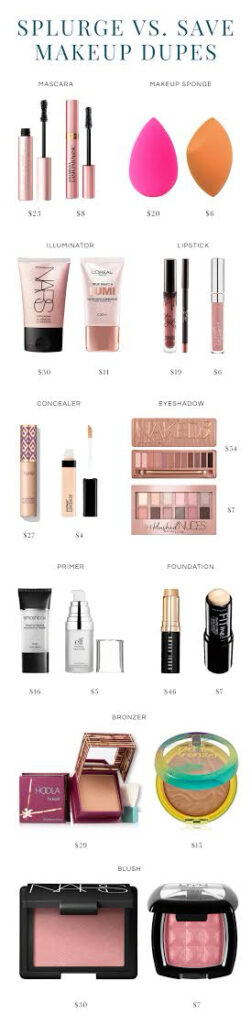
Social media has played a massive role in elevating dupes from guilty secrets to viral status symbols. Platforms like TikTok have normalized side-by-side comparisons, ingredient breakdowns, and “save your money” videos that rack up millions of views.
When influencers openly say, “This $15 product performs just like the $150 one,” it disrupts the traditional power of luxury branding. More importantly, it creates a shared language. People bond over dupes. They tag friends. They trade recommendations. They build community around smart alternatives.
In that context, owning the right dupe becomes socially validating. It shows you’re part of the conversation, not just consuming passively.
Dupes vs. Knockoffs: Where Status Still Draws a Line
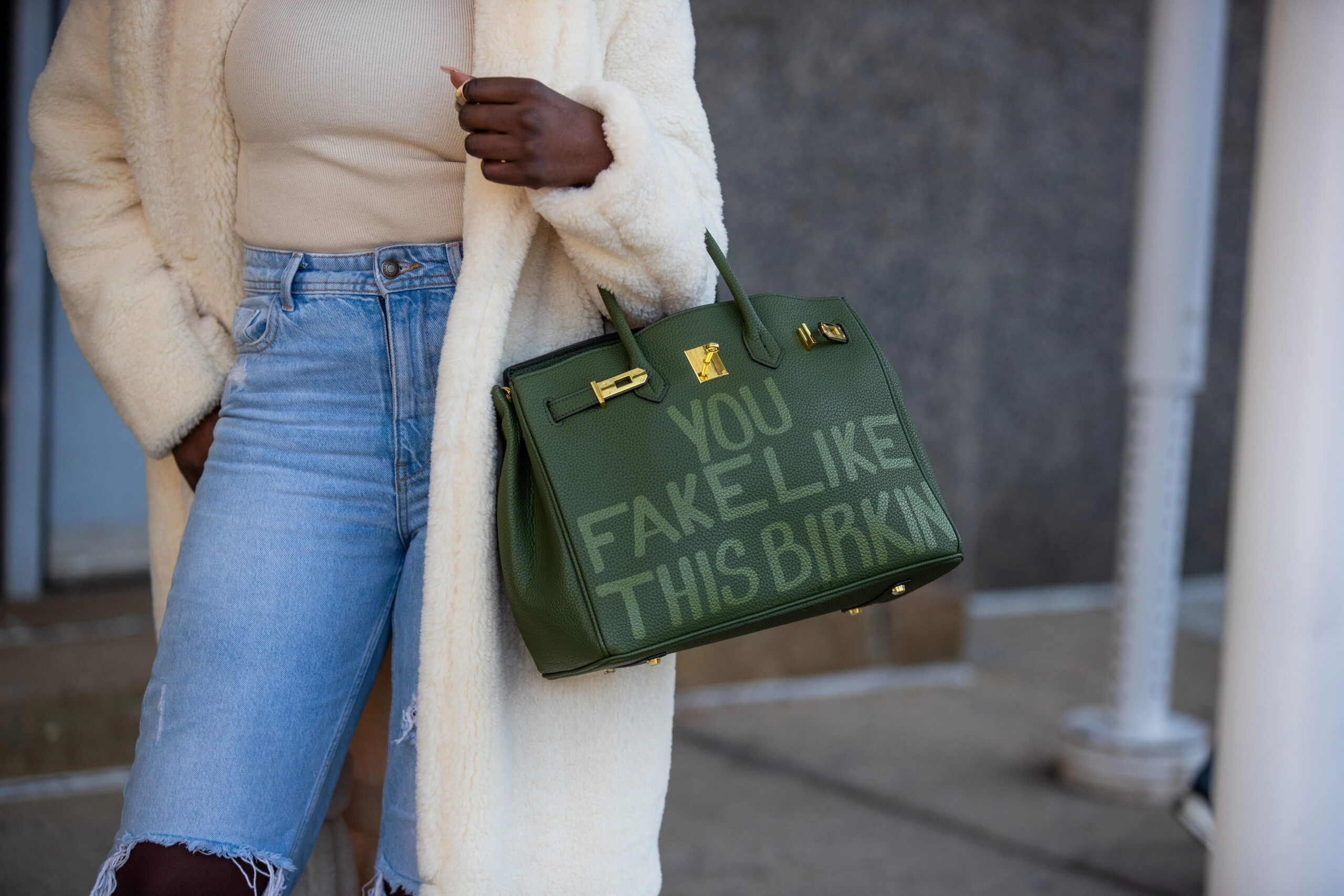
It’s important to clarify one thing: the rise of dupes as a status symbol does not mean counterfeits are suddenly acceptable. In fact, the distinction between dupes and knockoffs has become even more important.
A good dupe is inspired, not deceptive. It doesn’t pretend to be the original. It offers a similar experience without infringing on trademarks or misleading buyers. Status-wise, this distinction matters. Being seen as informed and ethical still carries weight. Passing off a fake as real often does the opposite — it signals insecurity rather than confidence.
True dupe culture values transparency, not imitation for imitation’s sake.
Cultural Capital in the Age of Dupes
Sociologists often talk about “cultural capital” — the non-financial assets that give people social advantage, like taste, education, and knowledge. In today’s beauty, fashion, and lifestyle spaces, dupes have become a form of cultural capital.
Knowing which alternatives are worth it shows research skills. Explaining why a dupe works shows understanding. Choosing a dupe because it aligns better with your values — whether that’s sustainability, minimalism, or practicality — shows intention.
In many ways, this mirrors the evolution of status in food, travel, and design. The person who knows the best hole-in-the-wall restaurant often gets more respect than the one who only books five-star hotels. Dupes operate on the same logic.
Are Dupes Replacing Luxury?
Not exactly. Luxury isn’t disappearing — it’s being recontextualized. High-end products still carry emotional, experiential, and sometimes artisanal value that dupes can’t fully replicate. For some people, owning the original will always matter, and that’s not inherently wrong.
What has changed is the hierarchy. Luxury is no longer the default aspiration for everyone. It’s one option among many. Dupes give consumers the freedom to participate in trends, aesthetics, and rituals without fully buying into the luxury economy.
That freedom — the ability to choose when to splurge and when to substitute — is arguably the new marker of status.
The New Flex Is Being In on the Secret
So, are dupes the new status symbol? In many ways, yes — but not because they’re cheap. They’re powerful because they represent awareness, confidence, and control.
The modern flex isn’t the logo on your bag or the brand on your vanity. It’s knowing that you don’t need the logo to get the look, the feel, or the satisfaction. It’s being able to say, “I’ve tried both — and this one works just as well.”
In a world increasingly shaped by transparency and information, status isn’t about what you spend. It’s about what you know. And right now, knowing your dupes might be the most stylish signal of all.