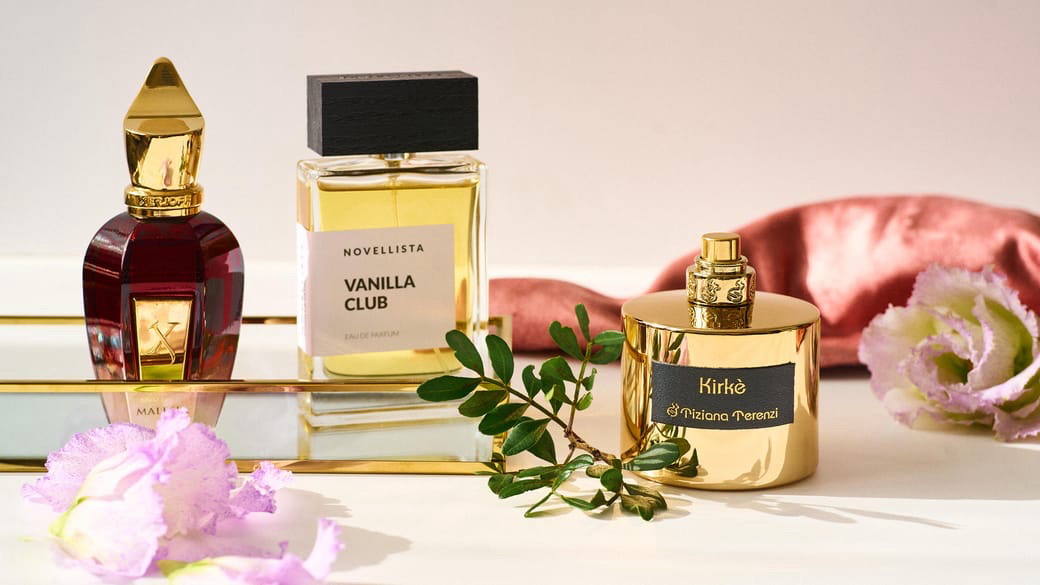
In a world where fragrance trends pivot as fast as fashion and beauty hacks go viral overnight, there’s one category that continues to captivate scent lovers and collectors alike: niche perfumes. These aren’t the fruity florals of mass-market lines or celebrity scents tied to influencer campaigns — niche fragrances are conceived with artistry, personality, and often a bit of rebellion. But that raises a question many of us have asked at least once while browsing a boutique fragrance counter: Are niche perfumes really worth the price?
Let’s unpack what makes niche perfumes unique, why they command premium prices, and whether they deliver value for modern fragrance fans.
What Exactly Is a Niche Perfume?
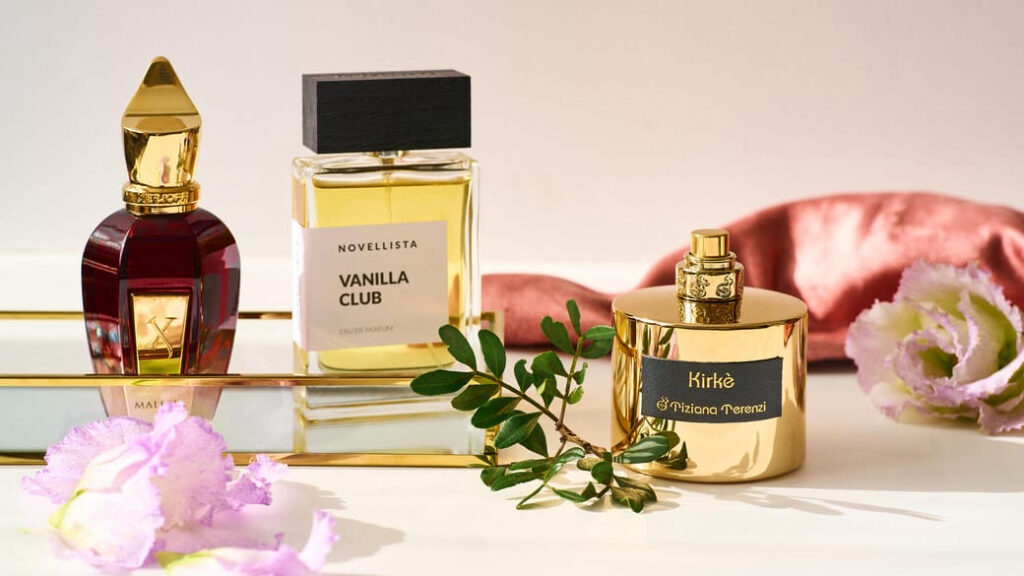
To understand the worth of niche fragrances, it helps to know what “niche” really means. In the perfume world, niche houses are brands that focus on olfactory creativity and individuality over broad commercial appeal. These are smaller, often independent creators or luxury houses that emphasize artistry, quality of raw materials, and storytelling through scent.
Unlike mainstream perfumes designed to appeal to the widest possible audience, niche perfumes are crafted to provoke emotion, conjure specific atmospheres, or challenge conventional expectations of what fragrance can be. They often forego celebrity endorsements and mass marketing in favor of pure scent craftsmanship.
Examples of revered niche houses include Serge Lutens, Byredo, Maison Francis Kurkdjian, Diptyque, Le Labo, Amouage, and Frederic Malle — brands known for bold, unconventional, and memorable compositions that loyal fans often describe as “olfactory art.”
The Ingredients Behind the Price
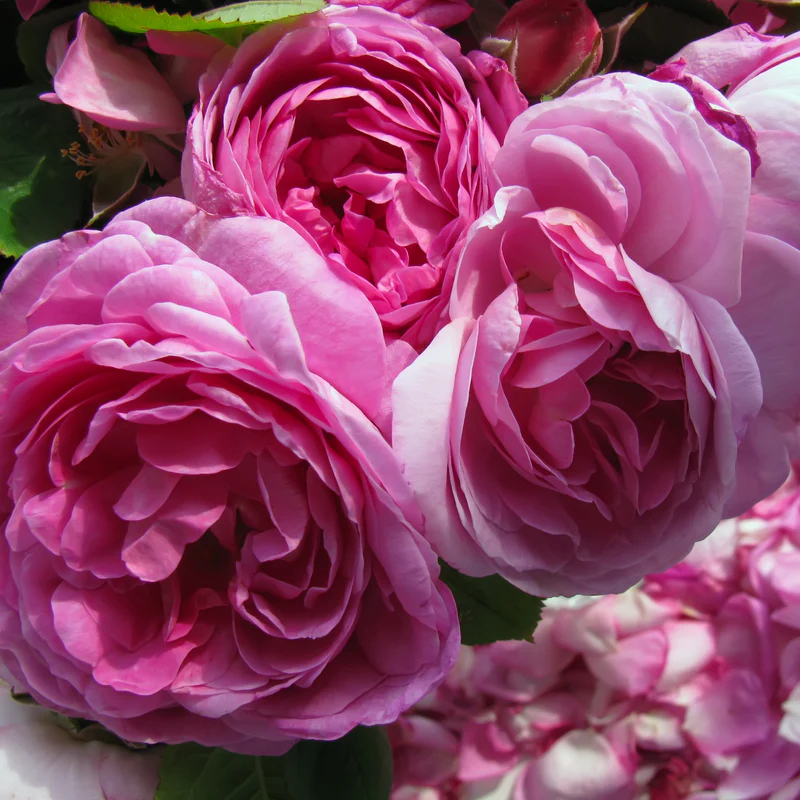
One of the most straightforward reasons niche perfumes cost more is what goes into them. Unlike many mass-market fragrances that rely on synthetic ingredients to keep costs down, niche houses frequently invest in high-quality naturals and fine aromachemicals.
Rare essential oils such as rose otto from Bulgaria, oud from specific regions, or genuine ambergris (yes — animal-derived) can fetch exorbitant prices on their own. When these ingredients are used generously or blended in complex layers, the raw material cost alone can justify a higher retail tag.
Moreover, niche fragrances often have higher concentrations of perfume oil relative to alcohol and water. This means more perfume extract in each bottle, which translates into a richer scent profile and often stronger longevity. Even if the bottle doesn’t explicitly say “extrait de parfum,” the composition tends to lean toward greater potency than typical designer releases.
But quality materials are only part of the story. The craftsmanship — the time a perfumer spends layering, testing, and refining a blend — is another cost factor. Many niche houses collaborate with highly respected perfumers (sometimes called noses) whose expertise is itself a priced-in investment. This is where the perfume world overlaps with fine art: each composition is a creative expression.
Storytelling and Emotional Value
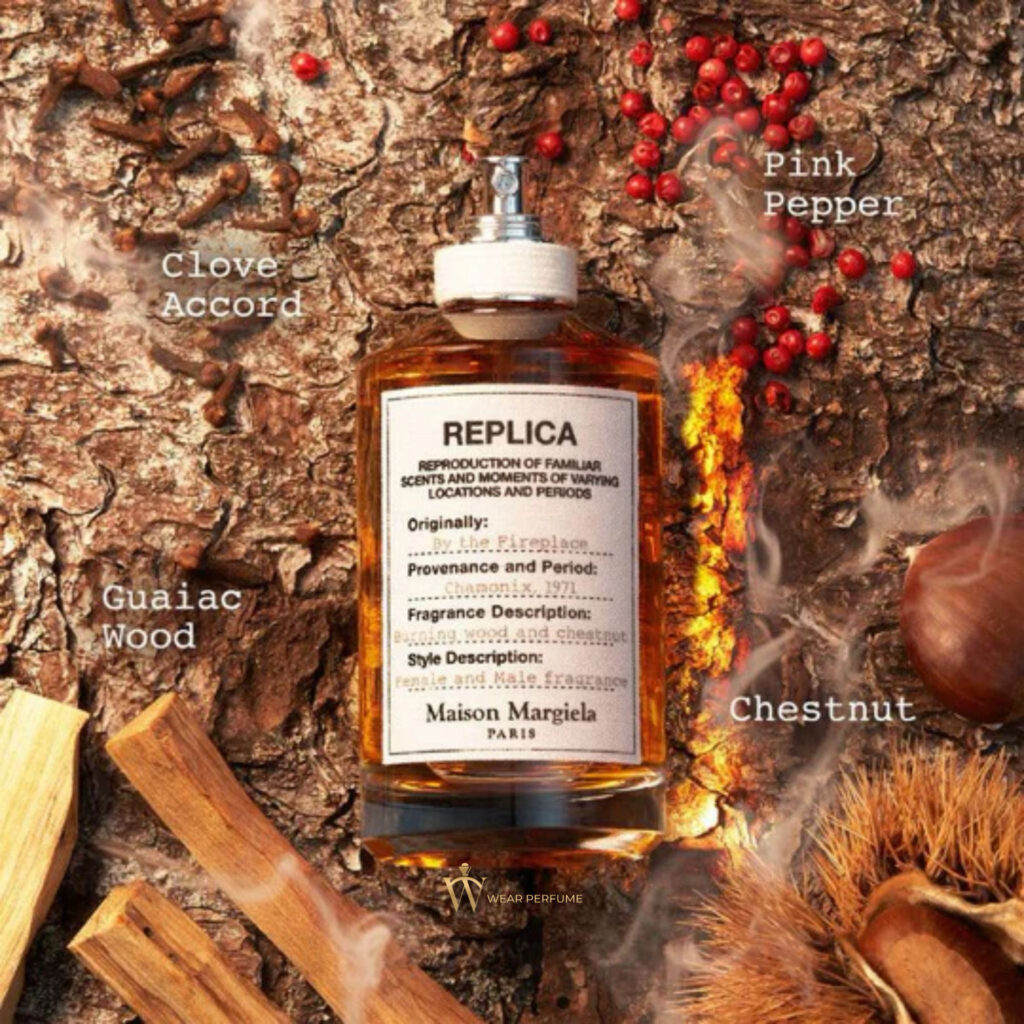
A big part of niche perfume’s allure is narrative. Brands often give their scents evocative names and backstories, or tie them to inspirations like travel, memory, nature, art, or place. For example, a fragrance might be designed to capture the “wet stones after rain in Kyoto” or “the warmth of spice markets at sunset.”
For many fragrance enthusiasts, this storytelling isn’t just marketing — it’s part of the sensory experience. When you spritz on a niche perfume, you’re not just applying a scent; you’re participating in a narrative. The emotional resonance that comes from a personally meaningful scent can feel worth more than a simple floral or fruity mainstream perfume ever could.
Fragrance bloggers and scent communities often talk about “signature scents” — perfumes that feel uniquely you. Niche fragrances, with their distinct personalities, can become a signature in a way mainstream releases rarely do. That emotional connection adds a type of value that can’t be measured by price per milliliter alone.
Longevity and Performance
Many niche perfumes do perform differently (and better) than cheaper alternatives. Because of their ingredient quality and concentration, they often have better longevity and projection, meaning you can experience the scent throughout the day without needing to reapply.
This can be especially true with niche compositions that leverage rich base notes like sandalwood, patchouli, musk, and resins. These materials cling to skin and clothing longer than lighter, airy scents that fade quickly.
However, longevity isn’t universal across all niche perfumes — some are deliberately softer or more intimate on skin. That’s part of the artistry and why sampling before buying is crucial. A niche scent that excels in performance for one person may behave differently on another’s skin chemistry.
Personalization Over Popularity
Another reason people invest in niche perfumes is exclusivity. Mainstream fragrances often dominate social spaces — malls, airports, ads, big launches. Niche perfumes are less visible but more intimate. You’re less likely to walk into a room and find half the crowd wearing the same scent.
For many, that uniqueness is part of the appeal. A perfume that feels personal and exclusive can enhance confidence or express individuality. Some collectors treat niche perfumes like art or rare books — something to appreciate, savor, and rotate through as part of self-expression.
In that sense, niche fragrance ownership isn’t just about smelling good — it’s about identity.
Are Niche Perfumes Worth It?
So the big question: are niche perfumes worth the price? The answer really depends on who you ask — and what you value.
If you’re someone who loves experimentation, high-quality ingredients, olfactory storytelling, and finding scents that feel like personal expressions rather than mass appeals, niche fragrances can absolutely be worth the investment. For these consumers, niche perfumes aren’t just products — they’re sensory experiences.
On the other hand, if you’re primarily seeking strong performance at a budget-friendly price, or you don’t care much for brand heritage or exclusive compositions, then a niche fragrance may feel overpriced, especially compared to high-quality designer or indie releases that borrow some of the same principles without the luxury markup.
It’s also worth noting that the perfume world has changed dramatically in the last decade. The rise of indie artisan perfumers, fragrance subscription services, and global sampling culture has made exploring scent more accessible, letting you try before you buy (or choose smaller bottle sizes). That means you can test niche fragrances without committing to a full bottle upfront — an important move if you’re curious but cautious about price.
Smarter Ways to Experience Niche Fragrances
If the price tag feels intimidating but you’re drawn to niche scent experiences, here are a few strategies many fragrance fans use:
Sample first. Reputable retailers, boutiques, and online platforms often offer sample vials or travel sizes for a fraction of the cost. This lets you see how a niche scent evolves on your skin over hours.
Buy decants. Fragrance decanting communities buy large bottles and redistribute smaller quantities — often 5–30 ml — at lower prices. This is especially helpful for expensive niche lines.
Rotate rather than own. Instead of buying a big bottle you wear every day, keep a few smaller niche fragrances as “special occasion” or “signature mood” scents.
Know what you like. Learning your scent preferences — ivory florals, smoky woods, citrus aromatics, spicy orientals — lets you narrow down niche houses that speak to your nose, so you spend money on perfumes you truly love.
When Niche Perfumes Might Not Be Worth It
Of course, niche isn’t for everyone. If you’re someone who changes perfume weekly, values strong projection above nuance, or simply wants a “safe” scent that everyone likes, the price of niche may feel hard to justify. Some niche compositions are intentionally polarizing — daring, artistic, unexpected — and not necessarily crowd-pleasers.
Budget matters too. Perfume is personal, and some luxury price tags reflect heritage and branding as much as ingredient quality. There’s nothing inherently wrong with wearing a fragrance you love that costs less than the niche average — scent is about joy, not status.
Final Thoughts
Niche fragrances are worth the price for many fragrance lovers because they are artful, complex, unique and evocative in ways that go beyond mainstream perfume trends. They invite you into a narrative, a mood, a memory — and often stay with you longer, both emotionally and literally.
But worth is personal. It depends on what you value most in a scent: is it performance, exclusivity, storytelling, or simply a price-conscious choice that smells good? If you lean toward self-expression and appreciate the craft of perfumery, niche perfumes can be a rewarding investment. If you’re more pragmatic or prefer versatile scents over niche quirks, there’s great fragrance value to be found outside the luxury circle.
At the end of the day, whether a perfume is worth its price is measured not just in dollars, but in the joy and confidence it gives you with every spritz.