In the world of beauty, the word “dupe” used to come with a hint of shame. A dupe—short for duplicate—was once seen as the “knock-off” version of something coveted, a budget-friendly imitation for those who couldn’t afford the real deal. But somewhere along the way, dupes evolved. They became smarter, better formulated, more innovative—and in some cases, so beloved that they transcended their “copycat” label entirely.
Today, many dupes aren’t just alternatives; they’re icons in their own right. From drugstore beauty products that outperform luxury originals to affordable handbags that became fashion staples, these dupes have proven that inspiration can spark originality. Let’s explore the fascinating world of the most talked-about beauty dupes of 2025—and why consumers now celebrate them as equals, not imitators.
The Evolution of the Dupe Economy
Before diving into the products themselves, it’s worth understanding why dupes have gained such cultural traction. Social media—especially platforms like TikTok, Reddit, and YouTube—played a massive role in normalising and even glamorising dupes. “Dupe culture” has become a shared language for savvy shoppers.
In the early 2010s, beauty bloggers and YouTubers began doing side-by-side comparisons—showing how a $10 drugstore lipstick looked identical to a $50 designer one. Fast forward to today, and TikTok has taken that phenomenon mainstream. A single “#dupe” video can send a product viral overnight, leading to sold-out shelves and cult-level fandom.
But beyond affordability, dupes have also tapped into a deeper consumer desire: democratisation. They represent accessibility without compromise. They prove that good design, quality ingredients, and clever branding aren’t the sole domain of luxury brands anymore.
Beauty Dupes That Outshone Their Originals
1. e.l.f. Halo Glow Liquid Filter
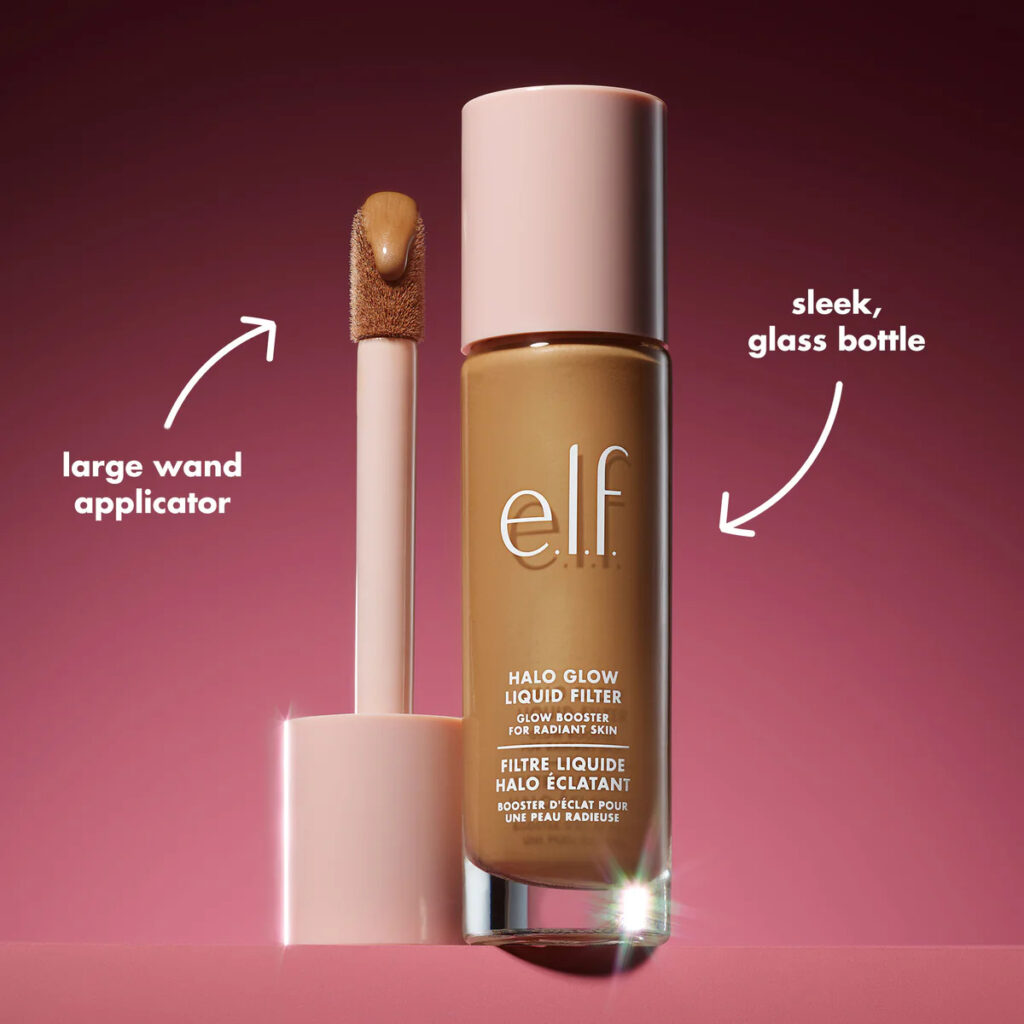
When the viral dupe comparisons for this product exploded, beauty editors took notice. Originally compared to luxury highlighters and complexion filters, e.l.f.’s Halo Glow Liquid Filter became a global sensation for its lightweight radiance and budget-friendly price. It didn’t just mimic—it led the movement toward “accessible glow” in 2025.
2. Maybelline Fit Me Matte + Poreless Foundation
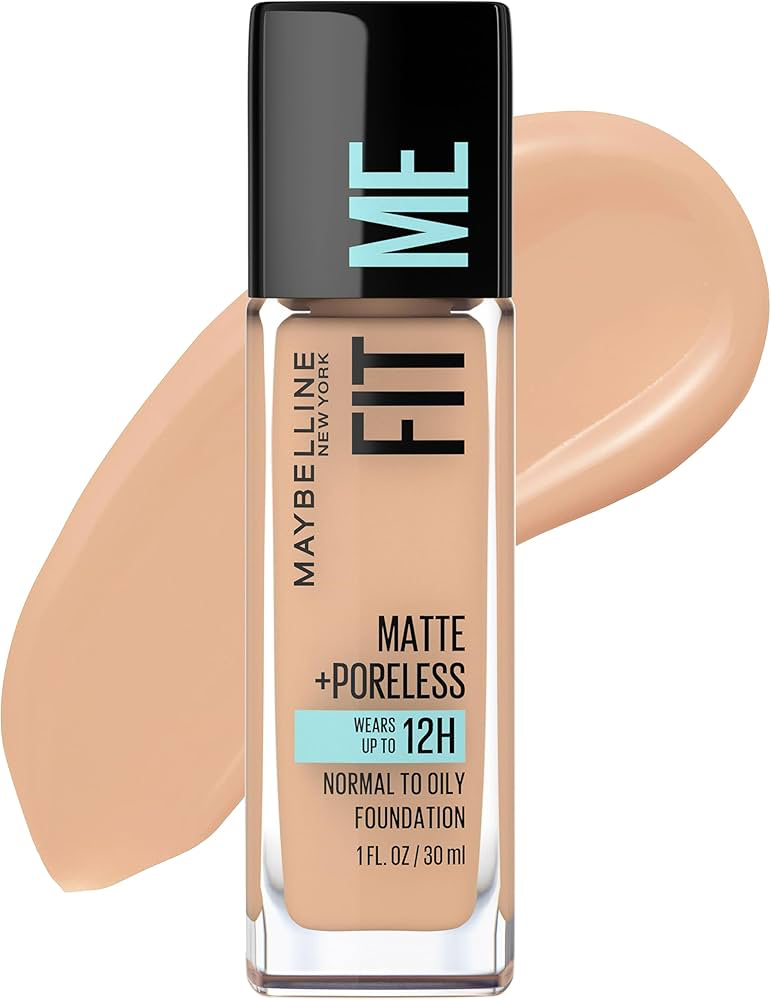
For many, this foundation has replaced the big-name luxury version as the go-to for everyday flawless skin. With a wide shade range, a comfortable wearable formula, and a reassuring price tag, it’s become a top pick among beauty editors and everyday users alike. Reviews in 2025 cite its performance as nearly indistinguishable from much pricier alternatives.
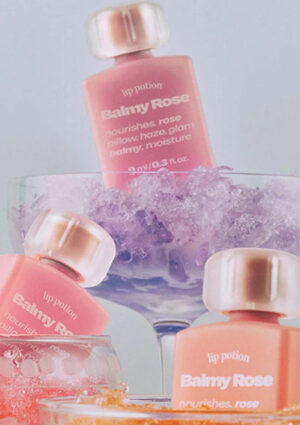
3. Alternative Stereo Lip Potion Balmy Rose
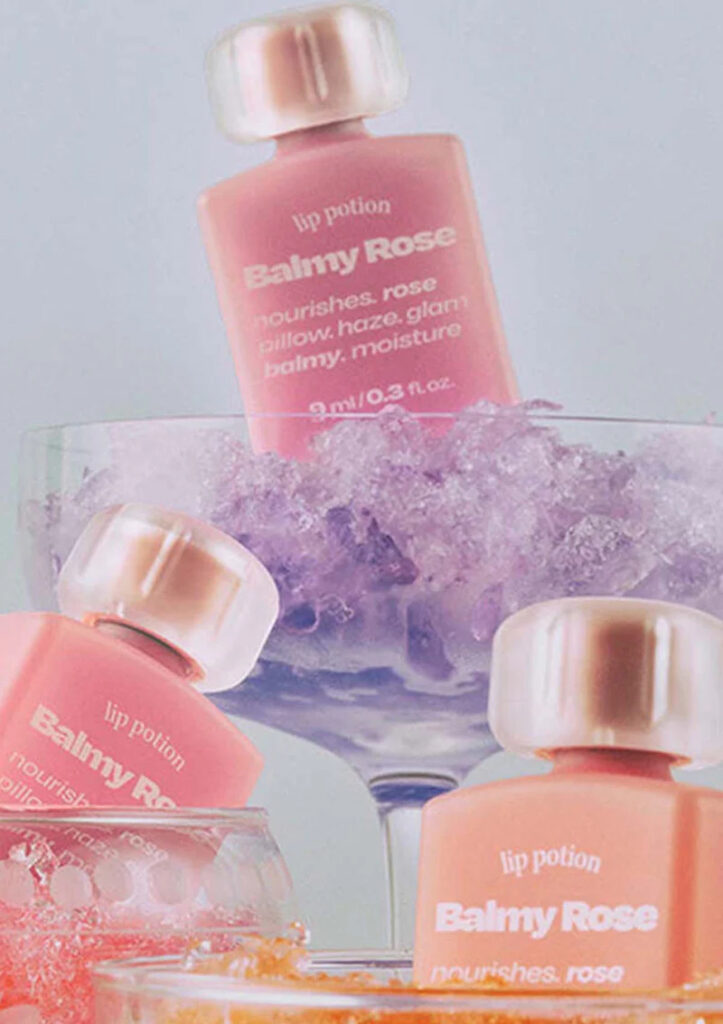
While the name may not be household yet, this lip product represents the next wave of dupes: lesser-known brands offering luxe finish and formula. With rich pigment, hydrating texture, and elegant packaging, it’s become a standout in 2025 for anyone looking to replicate high-end lip looks without the luxury markup.
The Psychology Behind Why Dupes Go Viral
So what makes a dupe more than just a cheaper copy? It’s not only the price—it’s the perception of value. Modern consumers are smart, discerning, and socially connected. They want to feel like they’ve “hacked” the system—found a $12 product that delivers the same satisfaction as a $45 one. That moment of discovery is powerful; it taps into emotion, identity, and belonging.
Moreover, dupe culture aligns perfectly with today’s values: transparency, accessibility, and authenticity. When influencers and everyday users share their “holy grail dupes,” they create a sense of shared empowerment. It’s no longer about showing off what you can afford; it’s about showing what you know.
When the Dupe Becomes the Blueprint
Interestingly, we’re now seeing a reversal in roles: luxury brands drawing inspiration from affordable hits. For instance, minimalist packaging trends, ingredient-led marketing, and inclusive shade ranges—once unique to brands like e.l.f. and Maybelline—are now being adopted by luxury houses trying to appear more “authentic” and relatable. Dupes, in essence, are setting trends, not just following them.
The Ethics of Dupes: A Quick Note
Of course, it’s important to acknowledge that not all dupes are created ethically. There’s a difference between inspired by and copied from. Intellectual property laws protect original designs and formulations, and counterfeit goods remain a serious issue in fashion and beauty.
However, legitimate dupes that interpret trends without infringing on trademarks—such as similar color palettes or textures—exist in a grey but acceptable space. Many brands today thrive precisely because they reinterpret rather than replicate.
The Future of Dupes: Democratization Over Duplication
As consumer consciousness continues to evolve, the dupe movement is shifting toward innovation through accessibility. Brands are learning that “affordable” no longer has to mean “cheap.” Expect to see more collaborations between influencers, indie labs, and sustainable manufacturers—creating products that blend high-end aesthetics with real-world usability.
From refillable packaging to clean ingredients, the dupe economy is becoming part of a larger cultural shift toward mindful consumption. It’s not about replacing luxury—it’s about redefining it.
Final Thoughts
What began as a quiet rebellion against exclusivity has become one of the most exciting revolutions in modern consumer culture. Dupes are no longer hidden secrets; they’re celebrated successes. They prove that inspiration can lead to innovation, that affordability can coexist with aspiration, and that sometimes—the “copy” can write its own story.
So the next time you swipe on your favorite drugstore lipstick or try that viral serum, remember: you’re not just saving money. You’re part of a movement that celebrates smart beauty, inclusive fashion, and the joy of finding your own kind of luxury.