
In the age of hyper-trendy beauty, fast-moving fashion cycles, and viral social media recommendations, dupes have become a beloved part of modern shopping. A good dupe delivers similar performance, style, or ingredients as a high-end product, but at a more accessible price. But then there are counterfeits — illegally reproduced items made to deceive customers into believing they’re buying the original. The difference between the two is enormous, and knowing how to distinguish them protects not only your wallet, but also your safety and ethics as a consumer.
A high-quality dupe is a legitimate alternative, inspired by a luxury item but produced and marketed honestly. A counterfeit, on the other hand, tries to impersonate the original brand in a deceptive and harmful way. If you enjoy dupe-hunting (and who doesn’t?), here’s how to make sure you’re choosing smart, safe alternatives — not illegal copies.
What Makes a Dupe Different From a Counterfeit?
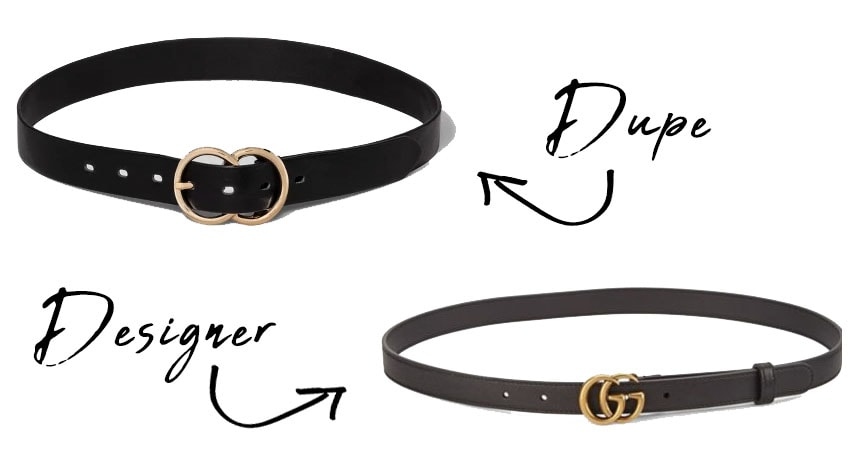
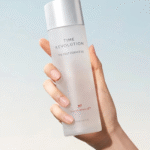
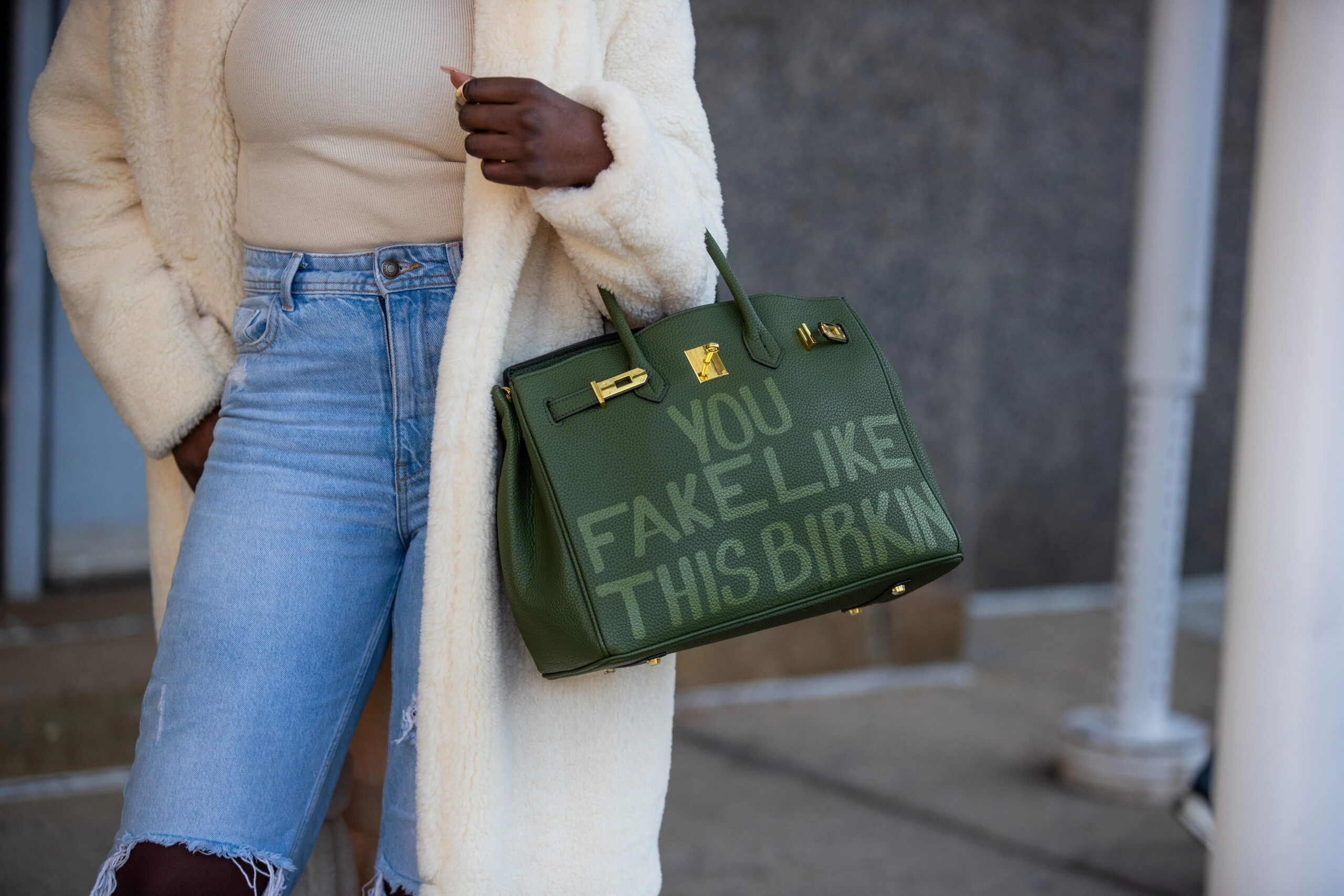
A dupe mimics the vibe, experience, or performance of a popular product without copying its trademarked features. For example, a drugstore blush that gives the same rosy glow as a $40 high-end shade is a dupe. A handbag inspired by a designer silhouette — but carrying its own logo and materials — is a dupe. The brand isn’t pretending to be someone else; instead, it offers affordable access to a similar look or effect.
Counterfeits, however, are designed to deceive. They copy logos, packaging, product names, and branding with the intention of tricking buyers into believing it’s the real thing. Counterfeit makeup may come in identical boxes, while fake shoes or bags may carry forged designer tags. These are not harmless “cheap versions”—they’re illegal, often unsafe, and can support unethical manufacturing practices.
Understanding the difference ensures you’re supporting brands that innovate, not imitate unlawfully.
How to Recognize a High-Quality Dupe
A good dupe focuses on function, formula, or aesthetics—not fakery. When evaluating whether something is a genuine dupe, look at how the product is represented. Reputable dupe brands are open about what they are: similar, inspired, or comparable alternatives. They do not claim to be the exact original.
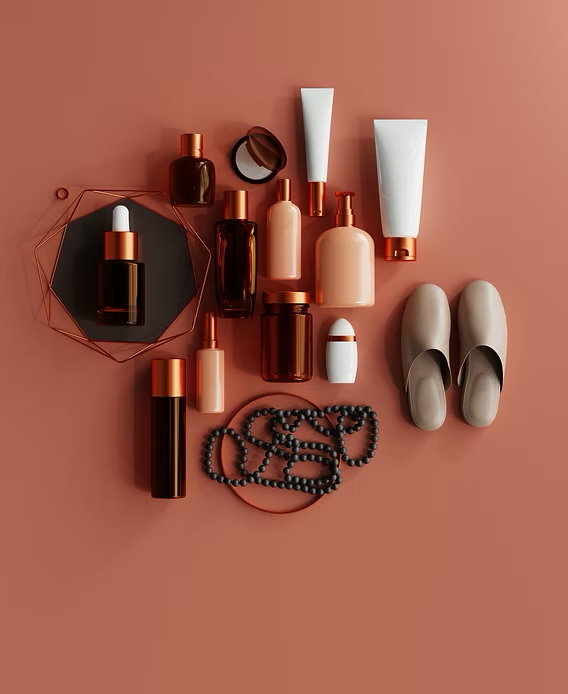
For example, many affordable beauty brands offer blushes, lip oils, and serums that perform like prestige favorites, but they use their own packaging, brand identities, and formulas. Fashion dupe brands might recreate the silhouette or style of a popular design, but they avoid copying logos or unique design elements that are legally protected.
A quality dupe makes you feel confident — not cautious — when adding it to your cart.
Spotting a Counterfeit (and Avoiding It)
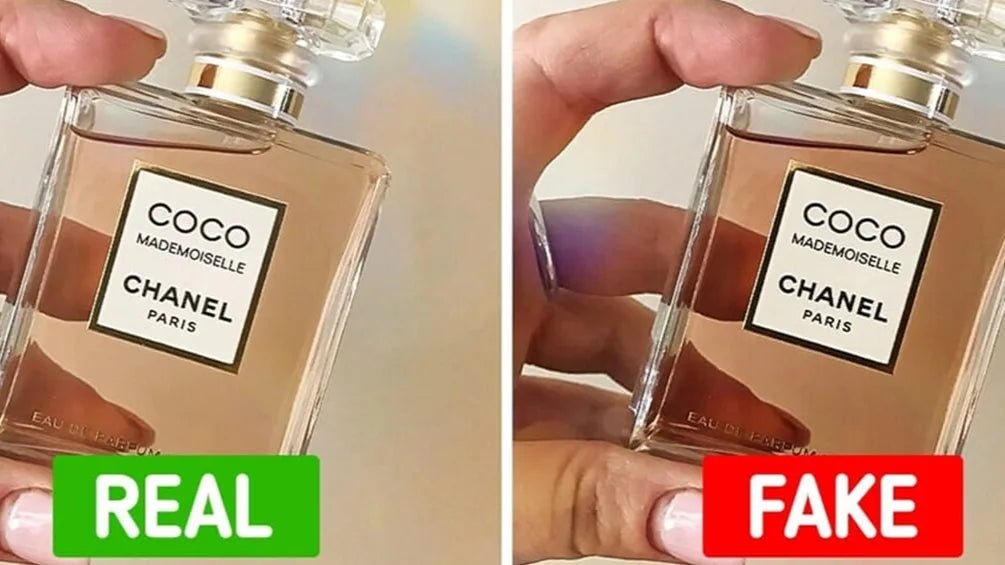
Counterfeits are designed to fool consumers and often show themselves through their packaging. If a product claims to be from the original brand but the price is suspiciously low, that’s your first red flag. Counterfeit goods often use nearly identical fonts, colors, or placement tricks to make the packaging look authentic at first glance. With beauty products, fakes may come in boxes that feel lighter, show printing errors, or list incorrect ingredients.
Online marketplaces can be especially risky. Sellers using names like “100% Authentic,” “Real But Discounted,” or “Factory Overruns” are usually trying to cover up dishonesty. Counterfeits frequently hide behind vague descriptions, grainy photos, or an unusually low price point. When in doubt, shop from official retailers or brands known specifically for producing dupes — not imitations.
Unlike dupes, counterfeits are illegal and unregulated, which means you never truly know what you’re getting.
Why Safety Matters More Than Savings
Counterfeit beauty products can be dangerous. They often lack proper ingredient regulations, safety checks, and hygiene standards. Many fake products have been found to contain harmful chemicals, bacteria, and undisclosed allergens — substances that would never pass regulatory requirements in genuine or dupe brands.
Counterfeit fashion also raises serious ethical concerns. These items are frequently produced in unsafe or exploitative environments. In contrast, legitimate dupe brands operate legally and transparently, offering inspired looks without violating trademarks or endangering consumers.
When the goal is affordability, a quality dupe is always the safer and more ethical route.
How Brands Create Dupes Without Crossing Legal Lines
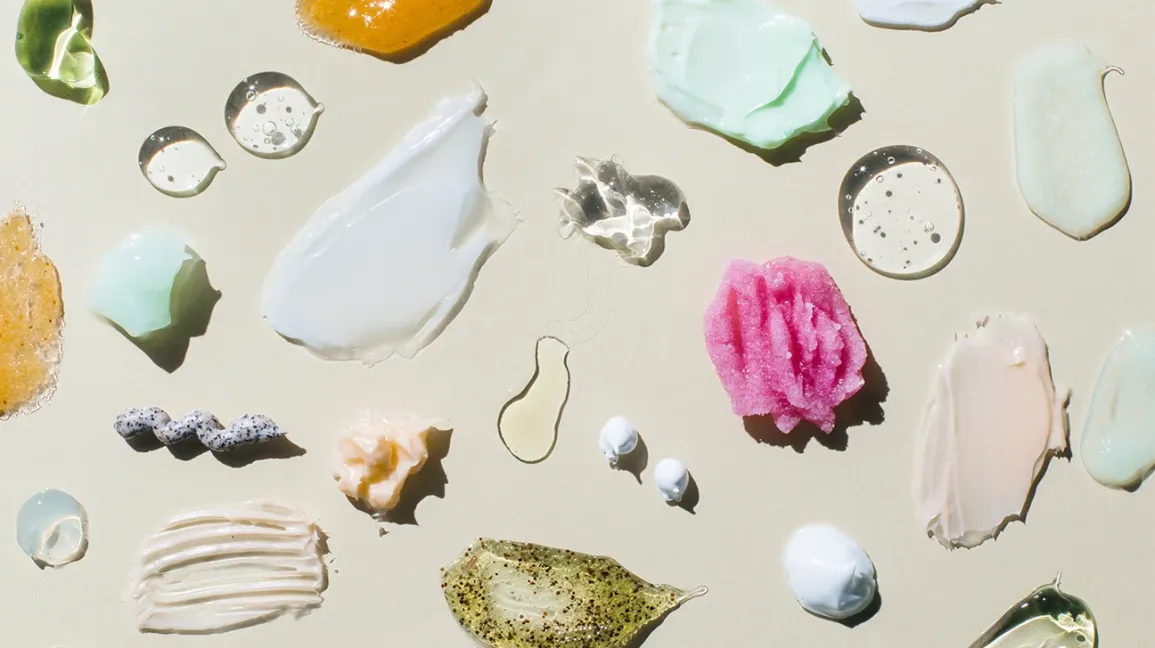
A high-quality dupe is built on interpretation, not imitation. Beauty brands create dupes by studying color profiles, textures, and formulas to craft products that feel similar but remain unique. Natural variations in undertones, finishes, or textures allow them to deliver a comparable experience without copying proprietary formulas.
Fashion brands take a similar approach by drawing inspiration from trending silhouettes while swapping materials, hardware, or stitching details to make the design their own. This is why legitimate dupe bags have distinct branding or names — they’re paying homage to a trend, not committing trademark theft.
The best dupes are creative, not counterfeit.
Smart Shopping: Choosing Dupes the Right Way
If you want to shop dupes confidently, stick to trustworthy brands and retailers. Look for brands with their own identity, packaging, websites, and marketing — not sellers centered around knockoffs or hidden listings. Reading reviews is a powerful tool as well. Real customers often mention whether the product feels legitimate, performs well, or mimics a luxury version effectively.
It’s also helpful to observe how the brand speaks about the product. A reputable dupe brand might say “inspired by the look of ___,” but it will never claim to be that product. You should never see luxury labels, logos, or trademarked names printed or stamped on a dupe.
If it feels like a copy rather than a comparison, it’s probably a counterfeit.
The Rise of Ethical Dupe Culture
Dupe culture is not about faking luxury — it’s about making beauty and style more accessible. Today’s consumers appreciate brands that provide great formulas, flattering shades, and trendy looks without the luxury markup. And with social media driving transparency, more people are choosing smart alternatives from brands that treat dupes as creative reinventions rather than illegal replicas.
This shift reflects a growing desire for value, quality, and honesty. Beauty lovers want to feel empowered by their purchases, not tricked by them. As a result, the market is full of legitimate alternatives that highlight innovation, affordability, and inclusivity.
Final Thoughts
Spotting the difference between a quality dupe and a counterfeit is essential for safe, ethical shopping. Great dupes offer comparable results and stylish looks from trustworthy brands. Counterfeits mislead, copy, and often endanger consumers. By learning how to recognize branding, packaging, and product claims, you can avoid fakes and support companies that play fair.
Because at the end of the day, a great dupe doesn’t pretend to be something it’s not — it simply gives you the look, experience, or performance you love, at a price that feels just as good.